


Art Therapy Activities for Adults for Stress, Anxiety, and Emotional Overload
Updated: Mar 21
Art Therapy Activities for Adults for Stress, Anxiety, and Emotional Overload
The reality is that our exposure to social media, constant notifications, and daily environments wears down how you respond to stress - why? There are, honestly, so many anxiety-inducing situations that affect how we respond to things
This is why art therapy works as such a reliable way for adults wanting to reduce stress and deal with the complexities of daily anxiety.
Art therapy helps you start expressing emotions, release tension, and achieve a state of mindfulness (that feels hard to do with regular therapy).
Here are some art therapy activities to help adults do this…
Benefits of Art Therapy Activities for Adults
The psychological and physiological benefits of art therapy activities for adults show that engaging in artistic activities can alter neurobiology and significantly improve mental health outcomes.
Meaning the way you deal with yourself, the world, and everyday challenges can improve.
The most impressive benefits are the regulation of the body's physiological stress response. Studies show that expressive arts improve wake-up salivary cortisol levels. So your overall stress is A LOT lower from the moment you start your day.
Also promote adaptive responses to stress by affecting neural circuits associated with emotional regulation, such as the amygdala and prefrontal cortex. Helping you with better logic and how well you can deal with issues in life.
By shifting brain activity toward regions responsible for executive function, art therapy provides a neurologically grounded pathway for emotional release.
Art Therapy Activities for Adults to Reduce Stress and Anxiety
1. Emotion Color Wheel Painting

The process begins by drawing a blank pie chart or wheel and assigning specific colors to represent different internal emotions. This tactile painting process allows for the fluid blending of colors as the individual identifies their current psychological state.
This art therapy activity for adults has a visual representation that allows individuals to quantify and acknowledge their feelings without judgment.
It provides a clear picture of the internal emotional landscape, which helps to validate the creator's experiences. Scientific trials show that such interventions can lead to significant short-term improvements in hope and perceived social support.
2. Mandala Drawing for Calmness
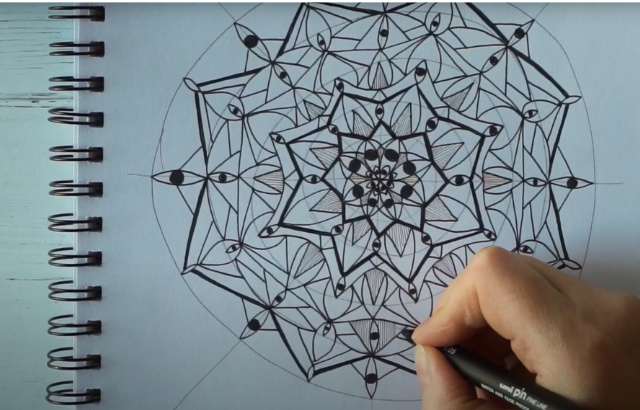
Mandala drawing is one of the art therapy activities for adults widely recommended by institutions like the Rocky Mountain College of Art and Design for its ability to reduce negative emotions.
The nature of the circle provides a sense of containment that is highly beneficial for those experiencing chaotic feelings.
Research into similar structured drawing reveals that participants can experience a significant increase in alpha and theta brain waves, which are markers of deep relaxation.
3. Mindful Doodling Practice

Mindful doodling involves allowing the hand to move freely across the paper, creating lines and shapes without a predefined goal or narrative. Here, a person would entirely focus on the physical movement of the pen, bypassing the logical brain.
This is one of the art therapy activities for adults that forces you to move away from stressful thoughts and can even improve brain plasticity and coordination.
Studies have shown that such creative tasks can shift brain activity away from fear centers and toward regions responsible for emotional control.
4. Painting to Music
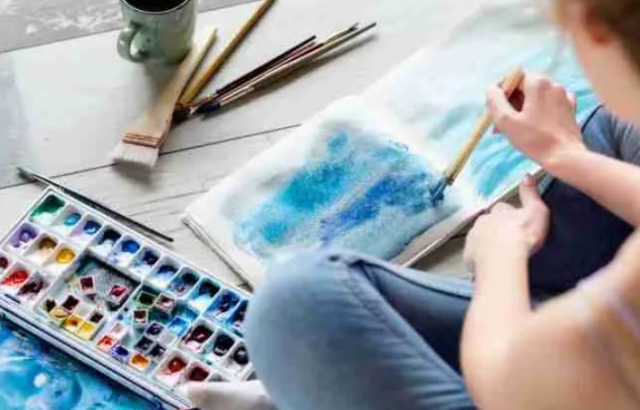
This art therapy activity for adults involves listening to varying rhythms of instrumental music and translating those auditory stimuli into visual art.
Sharp, fast tempos might inspire the creator to paint jagged lines, while slow melodies result in fluid waves or sweeps.
Translating music into art is highly therapeutic because it allows for an immediate, immersive channel of emotional expression. In clinical trials, expressive arts interventions have demonstrated a medium effect on the improvement of emotion regulation strategies.
5. Self-Portrait

In a therapeutic self-portrait, the individual may use mirrors or memory to draw themselves, focusing on internal feelings rather than a perfect likeness.
By giving a face to internal states, the individual can interact with their emotions rather than being consumed by them.
This art therapy activity for adults with separation makes difficult emotions feel more manageable and less integrated into one's core identity. Research indicates that such self-reflective art can significantly increase a participant's subjective quality of life and self-esteem.
6. Journaling with Art and Gratitude Art Journaling
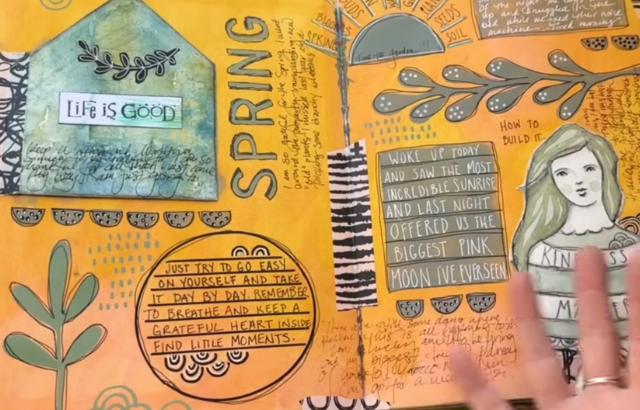
Art journaling combines written reflection with visual elements like doodles, paintings, or collages within a single book. In gratitude journaling, adults specifically record things they are thankful for and accompany these thoughts with vibrant colors or imagery. This creates a visual sanctuary of positivity that can be reviewed during periods of high stress.
This activity shifts the psychological focus away from anxiety-inducing stressors and toward the good aspects of life.
Cultivating gratitude is a cornerstone of positive psychology that reinforces resilience and combats negative self-talk.
7. Zentangle Art

Zentangle is a method of creating structured, repetitive patterns on small squares of paper to promote cognitive focus.
The process requires the creator to slow down and concentrate entirely on the deliberate placement of each line. This intense focus serves as a powerful meditative tool that anchors the individual in the present moment.
Neurological analysis of Zentangle shows a decrease in delta power, which is associated with cognitive fatigue, and an increase in beta and gamma bands.
The practice is universally recognized for producing meditative states and mental clarity.
8. Clay or Sculpting for Emotional Release

This of clay modeling involves physically manipulating the material by squeezing, rolling, and molding it to externalize tension.
This is one of the art therapy activities for adults where the tactile experience does not require a predefined goal. The physical engagement helps pull the mind away from abstract, anxious thoughts.
Working with clay is exceptionally grounding as it anchors the individual in physical sensations and the present moment.
Studies show that these types of expressive arts interventions result in significant long-term reductions in anxiety symptoms.
9. Visualizing Anxiety Through Abstract Art

In this exercise, individuals identify their current feelings of distress and draw abstract shapes or lines that represent those specific emotions.
In a separate space or on the other half of the page, they draw shapes that represent peace, calm, and relief. The process may conclude with the symbolic act of cutting the paper to discard the stressful side.
This contrast helps clarify the individual's emotional state and visualizes the transition from distress to tranquility.
Research in Frontiers in Psychology shows that art therapy significantly improves emotion regulation and acceptance of one's feelings.
10. Collage Making

Collage making involves flipping through magazines or materials to find colors and images that intuitively represent moods you experience. These sections are cut out and pasted onto a page to create a non-representational, abstract representation of the mind.
The process provides a sense of control and accomplishment as the individual manages a small, contained ecosystem of imagery.
Studies demonstrate that these interventions lead to large increases in subjective quality of life for adults with diagnosed anxiety disorders.
Using Creativity to Support Mental Well-Being
Whether it is through the rhythmic motion of fabric art, the mindful framing of photography, or the creation of affirmation cards, these practices serve as personalized beacons of encouragement.
Ultimately, art therapy offers an accessible, cost-effective, and neurologically grounded pathway to lasting healing and resilience.
Want to know more about how art therapy can help? Reach out for a session or any insight!


Comments